 6 months ago
Introduction
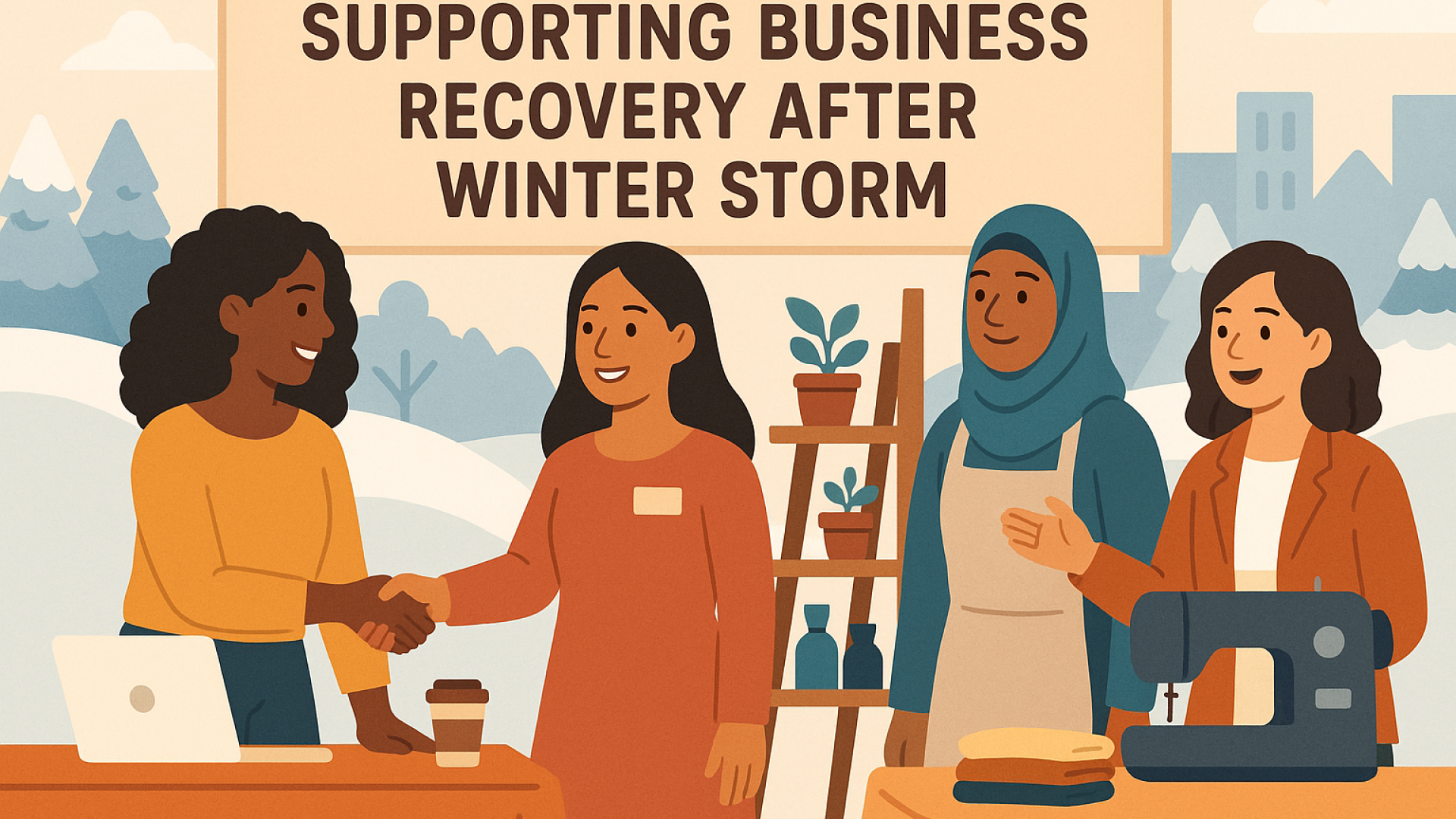
In the wake of the devastating January winter storm that swept across many regions, numerous women-owned businesses found themselves grappling with significant challenges. The storm not only disrupted daily operations but also threatened the financial stability of these enterprises, many of which are vital to their local economies and communities. Recognizing the urgent need for support, the ‘Welcome Back Babe’ event was organized as a beacon of hope and recovery for these businesses.
This event was designed to address the multifaceted difficulties faced by women entrepreneurs, providing them with the tools, resources, and networks necessary to rebuild and thrive in the aftermath of the storm. By focusing on empowerment and resilience, the initiative sought to create a sustainable path forward for these businesses, many of which serve as cornerstones of their communities.
Context: The Impact of the January Winter Storm on Women-Owned Businesses
The January winter storm brought unprecedented cold temperatures, heavy snowfall, and widespread power outages, severely affecting small businesses across multiple states. Women-owned businesses, which often operate with limited resources and face unique barriers to growth, were particularly vulnerable. Many experienced property damage, inventory loss, and prolonged closures, exacerbating existing economic pressures and threatening their long-term viability.
According to small business advocacy groups, women entrepreneurs represent a significant portion of the small business sector, contributing substantially to job creation and community development. However, the storm’s aftermath highlighted disparities in access to emergency funding, insurance coverage, and recovery assistance, underscoring the need for targeted support initiatives that specifically address the challenges faced by women-led enterprises.
Moreover, many women-owned businesses operate in industries disproportionately affected by the storm, such as retail, hospitality, and personal services. The compounded effects of physical damage and reduced customer traffic created a precarious environment, making recovery efforts both urgent and complex.
The ‘Welcome Back Babe’ Event: A Community-Driven Response
Launched in early March 2026, the ‘Welcome Back Babe’ event aimed to provide a comprehensive platform for women entrepreneurs to reconnect, share resources, and access critical support services. Organized by a coalition of local business associations, women’s advocacy groups, and community leaders, the event was a testament to the power of collective action in times of crisis.
The event featured a diverse range of activities including workshops, networking opportunities, and financial aid information sessions, all tailored to meet the specific needs of women-owned businesses recovering from the storm. By fostering an environment of collaboration and mutual support, the initiative sought to empower participants to overcome immediate challenges while building long-term resilience.
The event’s core objectives included:
- Facilitating access to emergency grants and low-interest loans tailored for women-owned businesses.
- Providing expert guidance on disaster recovery planning and business continuity strategies.
- Creating a supportive network to foster collaboration and mentorship among women entrepreneurs.
- Raising public awareness about the challenges faced by women-owned businesses in disaster contexts.
Key Highlights and Activities
The ‘Welcome Back Babe’ event attracted over 300 participants, including business owners, financial advisors, local officials, and representatives from nonprofit organizations. The event’s dynamic agenda was designed to address both the practical and emotional aspects of disaster recovery.
- Recovery Resource Fair: Featuring booths from financial institutions, insurance companies, and government agencies offering tailored assistance programs. Attendees had the opportunity to engage directly with experts to understand available resources and application processes.
- Workshops: Sessions covered critical topics such as navigating disaster insurance claims, leveraging digital marketing post-disaster to regain customer engagement, and mental health support tailored for entrepreneurs facing stress and uncertainty.
- Panel Discussions: Successful women business leaders shared their personal stories of overcoming adversity, offering valuable insights and strategies for resilience. These discussions highlighted the importance of adaptability, innovation, and community support in recovery efforts.
- Networking Opportunities: Facilitated meet-and-greet sessions encouraged partnerships, peer support, and mentorship, fostering a sense of solidarity among participants and creating avenues for ongoing collaboration.
Challenges Faced and Solutions Proposed
Despite the positive momentum generated by the event, several challenges emerged during discussions. Many participants highlighted difficulties in accessing timely financial aid due to bureaucratic delays, complex application procedures, and stringent eligibility criteria that often excluded smaller or newer businesses. Others pointed to gaps in disaster preparedness knowledge and the need for more inclusive policies that consider the unique circumstances of women entrepreneurs, including those balancing caregiving responsibilities.
In response, organizers proposed several actionable solutions aimed at addressing these barriers and enhancing future disaster recovery efforts:
- Streamlining Aid Processes: Advocating for simplified application procedures, clearer communication, and faster disbursement of funds to ensure that businesses receive timely support when it is most needed.
- Capacity Building: Offering ongoing training programs focused on disaster resilience, business continuity planning, and financial literacy to equip women entrepreneurs with the skills necessary to navigate future crises.
- Policy Advocacy: Engaging with policymakers to develop gender-responsive disaster recovery frameworks that recognize and address the specific challenges faced by women-owned businesses, including access to capital and childcare support.
- Community Support Networks: Establishing local peer groups and mentorship programs to provide continuous emotional and professional support, fostering a culture of shared learning and empowerment.
Broader Implications for Economic Recovery and Gender Equity
The ‘Welcome Back Babe’ event underscores the critical role of targeted support in fostering economic recovery and promoting gender equity in entrepreneurship. Women-owned businesses often face systemic barriers, including limited access to capital, networks, and decision-making platforms, which disasters can exacerbate. By addressing these challenges head-on, the event contributes to building a more inclusive and resilient business ecosystem that benefits entire communities.
Experts suggest that investing in women entrepreneurs not only benefits individual businesses but also drives broader economic growth and community well-being. Women-led enterprises tend to reinvest earnings into their families and communities, amplifying the positive impact of recovery efforts. As such, initiatives like ‘Welcome Back Babe’ serve as models for integrating gender considerations into disaster recovery planning and economic development strategies, ensuring that recovery is equitable and sustainable.
Furthermore, the event highlighted the importance of intersectional approaches that consider the diverse experiences of women entrepreneurs, including those from marginalized racial, ethnic, and socioeconomic backgrounds. Tailoring support to meet these varied needs is essential for fostering true inclusivity and resilience.
Looking Ahead: Sustaining Momentum and Expanding Impact
While the ‘Welcome Back Babe’ event marked a significant step forward, sustained efforts are essential to ensure long-term recovery and growth for women-owned businesses. Organizers plan to establish a permanent support network that will provide ongoing resources, mentorship, and advocacy. This network aims to serve as a continuous source of strength and guidance, helping businesses not only recover but also thrive in the face of future challenges.
Additionally, there is a call for enhanced collaboration between public and private sectors to create comprehensive support systems that address financial, educational, and emotional needs. Leveraging technology and digital platforms is also seen as a key strategy to expand reach and accessibility, particularly for businesses in remote or underserved areas.
Future initiatives may include virtual workshops, online resource hubs, and mobile applications designed to facilitate access to funding, training, and peer support. By embracing innovation and inclusivity, these efforts seek to build a resilient ecosystem that empowers women entrepreneurs at every stage of their business journey.
Conclusion
The January winter storm posed formidable challenges to women-owned businesses, threatening their survival and the vitality of local economies. The ‘Welcome Back Babe’ event emerged as a powerful response, providing essential resources, fostering community solidarity, and advocating for systemic change. As recovery efforts continue, the lessons learned from this initiative highlight the importance of inclusive, gender-responsive approaches to disaster resilience and economic empowerment.
By championing the needs of women entrepreneurs, communities can build stronger, more equitable economies capable of withstanding future adversities. The success of the ‘Welcome Back Babe’ event serves as a compelling example of how targeted support, collaboration, and advocacy can transform crisis into opportunity, ensuring that women-owned businesses not only recover but also flourish in the years to come.